Travel Gear That Earns Its Space
Good travel gear is boring, small, and used every day. Everything else is weight you carry for a photo of your bag.
Travel gear is sold as possibility: this item will save you in a situation you have not had yet. Most of it stays at the bottom of the bag. The gear worth carrying has a simple test: you used it on the last trip, you know exactly where it is, and you would buy it again.
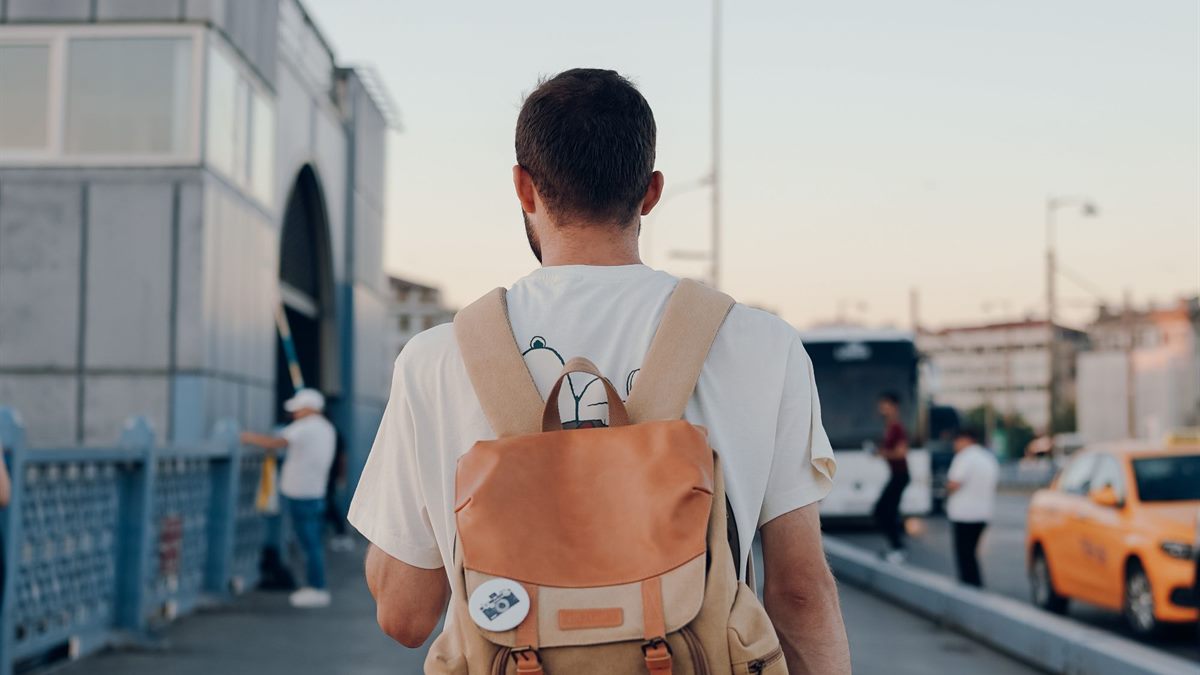
Test every item against one real trip
Before adding anything, look at the last trip you took. What did you use every day? What did you carry and never touch? The second list is your shopping list in reverse. A travel umbrella that broke in the wind, a converter for a country you did not visit, and a third charging cable are all weight with no job.
Apply the same test to new purchases. If you cannot name the moment you will use it on this specific trip, leave it. Gear bought for an imagined emergency rarely survives the first repack.
Cover power first
Power is the one category where a small item changes the whole day. A compact charger with the right plug for your destination, one cable per device, and a small power bank are usually enough. Check the plug type for every country on the route; a single adapter with multiple ports is lighter than a bag of separate plugs.
- Charger: one multi-port unit for phone, camera, and headphones.
- Cables: one per device, plus one spare short cable.
- Power bank: enough for one full phone charge, not for a laptop.
- Adapter: matched to the countries you actually visit.
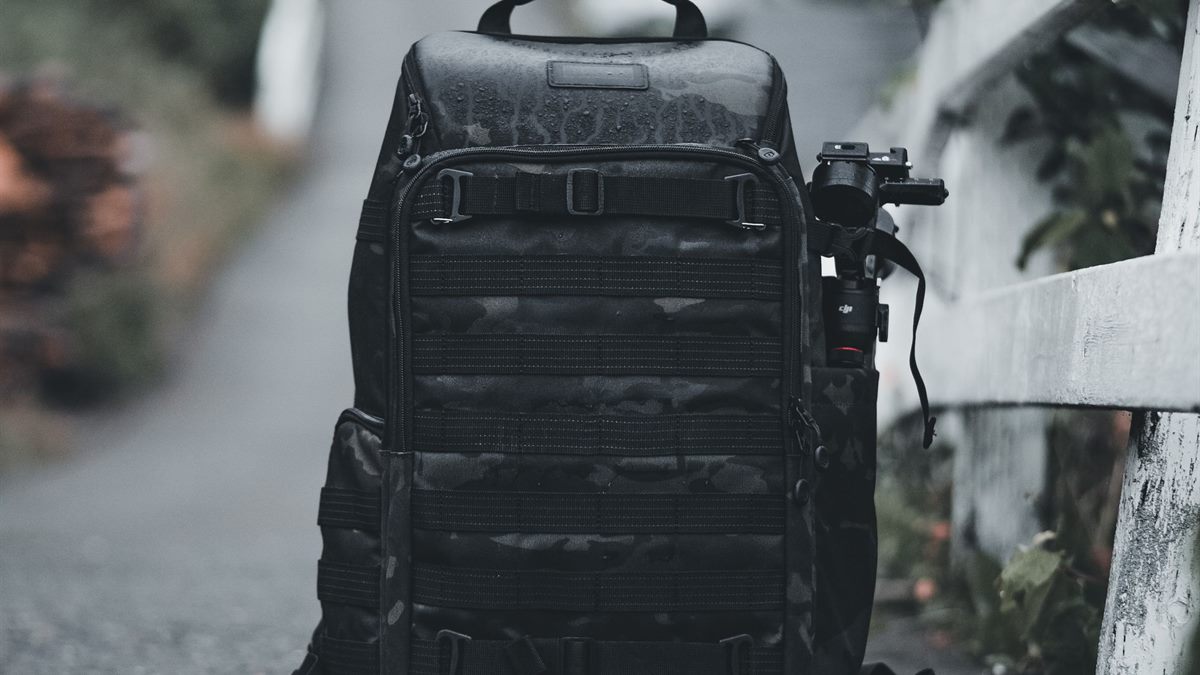
Add light, rain, and repair
Three small categories cover most surprises. A tiny torch or a phone light handles dark stairwells and power cuts. A packable rain shell handles weather that turns faster than the forecast. A repair kit with a needle, a few safety pins, and a length of tape handles the strap that breaks on day two.
None of these need to be expensive. The point is that they are small, light, and used at least once on a normal trip. A rain jacket you never wear is still worth carrying if the alternative is a day indoors; a specialist survival kit is not.
Handle laundry and liquids in small containers
Decant toiletries into small bottles and label them. A single bar of soap or a solid shampoo removes a liquid from the security bag and lasts longer than a bottle. For laundry, a few detergent sheets weigh almost nothing and replace a heavy bottle of liquid.
Liquids are the most common reason a bag gets pulled at security. Check the current container limit and bag rule for your departure airport, and keep the liquids bag at the top of your luggage. The US Transportation Security Administration explains the rule and exceptions at TSA liquids rule. If the bag itself is still the problem, start with packing carry-on only.
Leave the maybes at home
The final step is subtraction. Take out the second pair of shoes, the "just in case" formal outfit, the paper guidebook you will not open, and the laptop you do not need. Every item removed makes the bag lighter, the day easier, and the trip more flexible when plans change.
Frequently Asked Questions
What travel gear is actually worth buying?
Items you will use every day: a compact multi-port charger, the right plug adapter, a small power bank, a packable rain shell, and a tiny repair kit. Buy after a trip reveals the need, not before.
Do I need a universal travel adapter?
Only if your route crosses several plug types. A universal adapter is convenient but bulkier; a single adapter for the countries you actually visit is lighter and usually cheaper.
Are packing cubes worth the space?
Yes for most people. They keep clothes compressed and make the bag easy to open without unpacking everything. Use one cube for clothes and one small pouch for cables, and skip the rest.
What should I leave at home?
A second pair of shoes, formal clothes for a maybe, heavy guidebooks, and spare electronics. If you cannot name when you will use an item on this trip, it belongs at home.