Build a Travel Budget That Actually Holds
Most travel budgets fail on the small lines, not the flight. Here is how to price a trip so the last day costs the same as the first.
A travel budget usually gets built backwards: people price the flight, guess a daily amount, and discover the real total at the airport. The guess is where it breaks. A daily rate that ignores transfers, luggage, and entrance fees is not a budget; it is a hope with a spreadsheet around it.
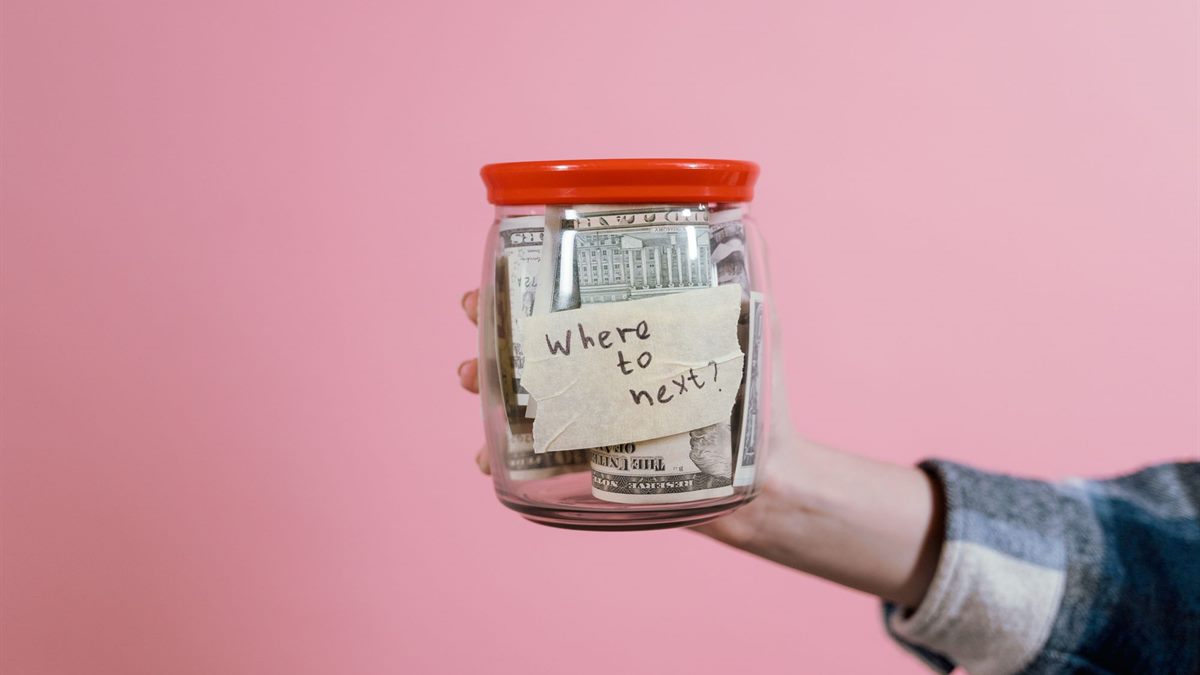
Split the trip into fixed and variable costs
Fixed costs are paid before you leave and do not change with behaviour: flights, intercity tickets, accommodation, travel insurance, and any visa or entry fee. Variable costs happen on the ground: food, local transport, attractions, shopping, and the small emergencies that arrive without warning.
Price the fixed lines from actual checkout pages, not from memory. Add the extras that appear late in the process: seat selection, checked bags, resort or city tax, and the card fee your bank charges on foreign currency. Those four items alone can add a noticeable slice to a week-long trip.
For the variable side, do not use one number for the whole trip. Cities differ, and so do your days. Build a small table:
- Sleep and travel days: lower food and transport costs, almost no attractions.
- Full sightseeing days: the highest daily number, with tickets and one proper meal.
- Buffer day: a day with nothing booked, priced at the sightseeing rate.
Set a daily rate from real prices, not averages
Pick three things you will actually buy each day: a simple breakfast, one sit-down meal, and a local transport ticket. Look up current prices for those three in the city you are visiting, then add a museum or entrance fee for sightseeing days. That is your daily rate. It is not an average of other travellers; it is the cost of the day you plan to have.
Then multiply by the right number of days. A seven-night trip has six full days and two travel days, not seven identical days. Getting this count right is often worth more than finding a cheaper hotel.
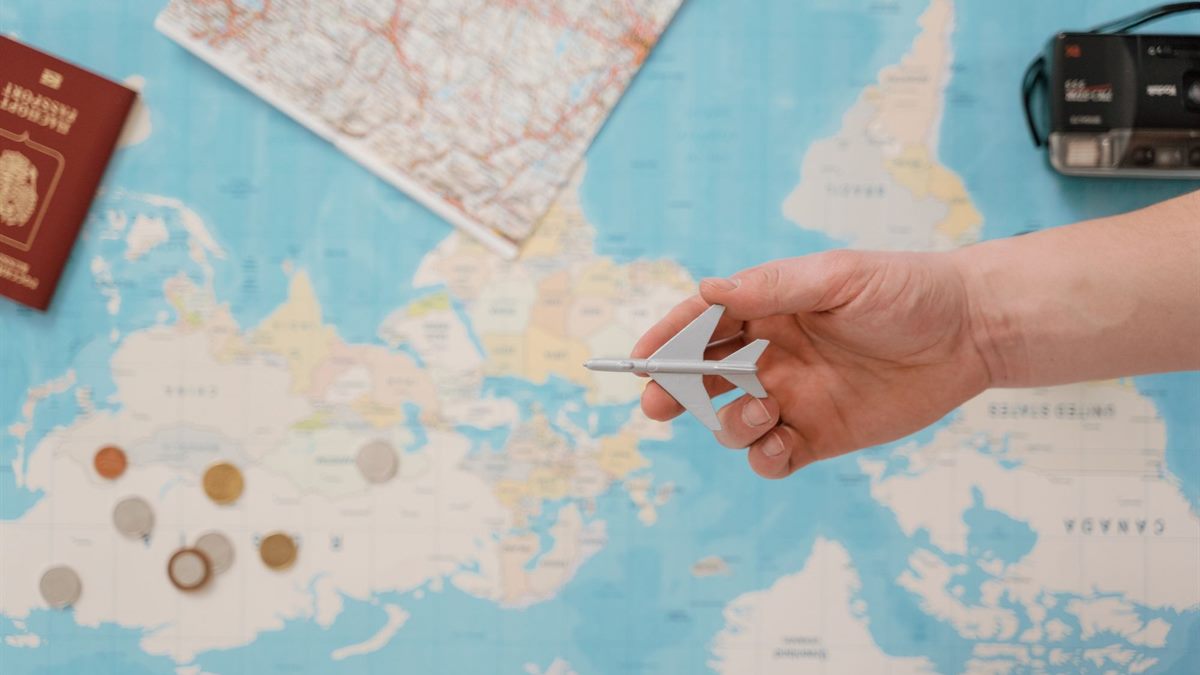
Add a buffer you are not allowed to spend
Set aside 10 to 15 percent of the total as a buffer, and treat it as spent the moment the trip begins. It exists for the airport transfer that costs double at midnight, the bag that must be checked, the medicine you did not pack, and the change fee when plans move.
Keep the buffer separate: a second card, a small amount of cash, or a clearly labelled line in the budget app. If it is mixed into the daily money, it will be gone by day three, and the real emergency will land on the last day.
Track the trip while it is happening
A budget that is only checked afterwards is a report, not a tool. Spend two minutes each evening writing down the day's total and comparing it with the plan. If you are running over, the fix is a cheaper next day, not a cheaper final week.
Cash withdrawals deserve their own line. Foreign ATM fees often come in two parts, a flat fee and a currency margin, and repeated small withdrawals multiply both. Take out larger amounts less often, and check whether your bank refunds fees.
The United States Consumer Financial Protection Bureau publishes a plain budgeting worksheet that works for a trip as well as a month at CFPB budgeting tools. If the trip total still does not fit, use the method in how to plan a trip in one weekend to cut a base or a night before you cut the buffer.
Decide what the trip is for
Every budget is a set of priorities wearing numbers. A trip built around food should spend less on the room; a trip built around a specific museum or hike should protect that ticket and save on dinners. Writing one sentence about the point of the trip makes the trade-offs obvious, and it stops the slow drift where you pay for everything and remember nothing.
Frequently Asked Questions
How much should I budget per day for travel?
It depends on the city and the kind of day you plan. Price three real items, breakfast, one sit-down meal, and a local transport ticket, then add an attraction fee for sightseeing days. That total is more useful than a generic average.
What percentage of a travel budget should be a buffer?
Aim for 10 to 15 percent of the total, held separately from daily spending. It covers late transfers, baggage fees, minor illness, and schedule changes without touching the money for the rest of the trip.
Should I use cash or card abroad?
Carry both. Card is convenient and often gives a better exchange rate, while a small amount of local cash covers markets, small cafes, and places that do not accept foreign cards. Withdraw larger amounts less often to limit fees.
How do I keep a trip budget from falling apart?
Check the running total every evening and adjust the next day, not the last one. Keep the buffer untouchable, count travel days at a lower rate, and write down every cash withdrawal so the small costs do not disappear.