Pack Carry-On Only: A Realistic Method
Carry-on packing is not about owning clever gear. It is about choosing a small number of items that all work together.
Carry-on packing looks like a gear problem and is really a decision problem. The bag that will not close is full of "just in case" items, not essentials. Decide what the trip requires, build a small set that works together, and the bag closes with room to spare.
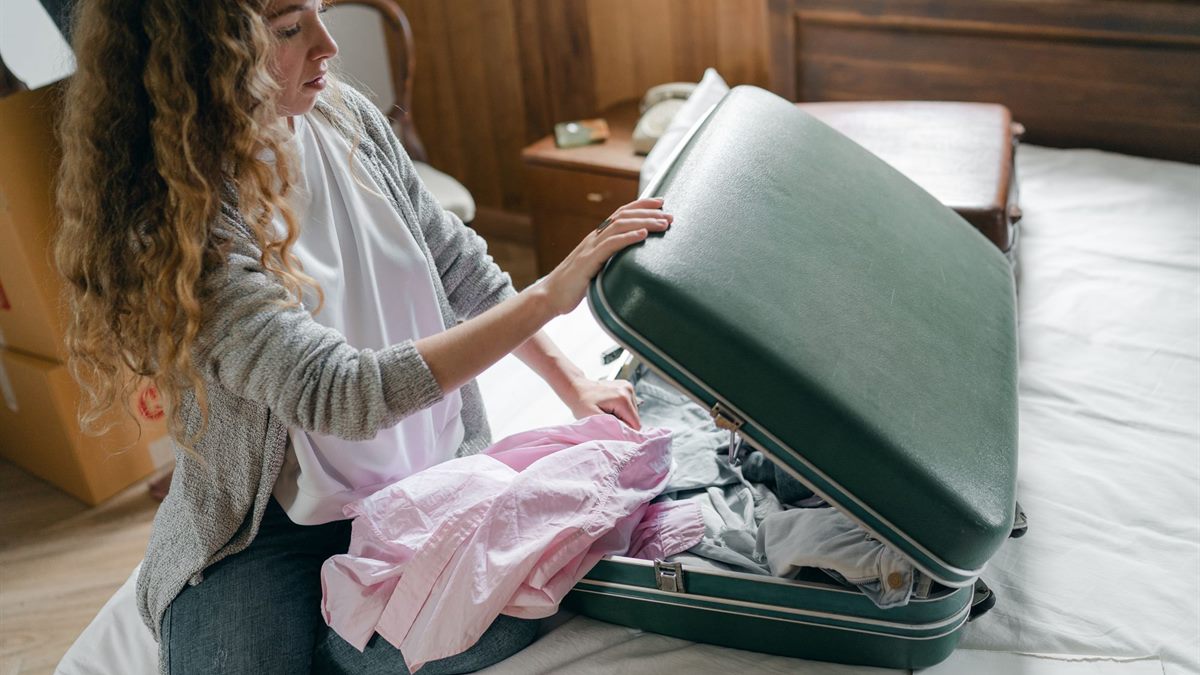
Start with the bag limit, not the bag
Check the cabin size and weight limit for every airline on your route, including the return leg if it is a different carrier. Low-cost airlines often allow a smaller personal item for free and charge for a cabin bag, and the size limit can be a few centimetres tighter than the mainstream allowance.
Measure your bag including wheels and handles. If it is close to the limit, it will fail on the one flight where the gate staff are strict. A soft bag that compresses slightly is more forgiving than a hard shell that does not.
Build three layers that mix together
The most useful packing system is three layers, each with a job:
- Base layer: four to five tops and two bottoms in one colour family, so everything matches.
- Mid layer: one warm piece for cold transport and cool evenings.
- Shell: a light rain jacket that folds small and works as wind protection.
Then add one set of sleepwear, one pair of comfortable walking shoes worn on the plane, and a small pouch of toiletries. That is a week. For a month, it is the same list plus a laundry plan.
Plan laundry before you plan outfits
Laundry is what makes carry-on work for longer trips. Choose accommodation with a washing machine, find a laundrette near your stay, or wash small items in the sink with a travel detergent sheet. If you can wash every four or five days, you need five days of clothes, not thirty.
Pick fabrics that dry overnight. Cotton is comfortable but slow; merino and synthetic blends dry faster and resist odour. One quick-dry towel is enough, and it takes less space than three cotton ones.
Pack the bag so it opens without an archaeology session
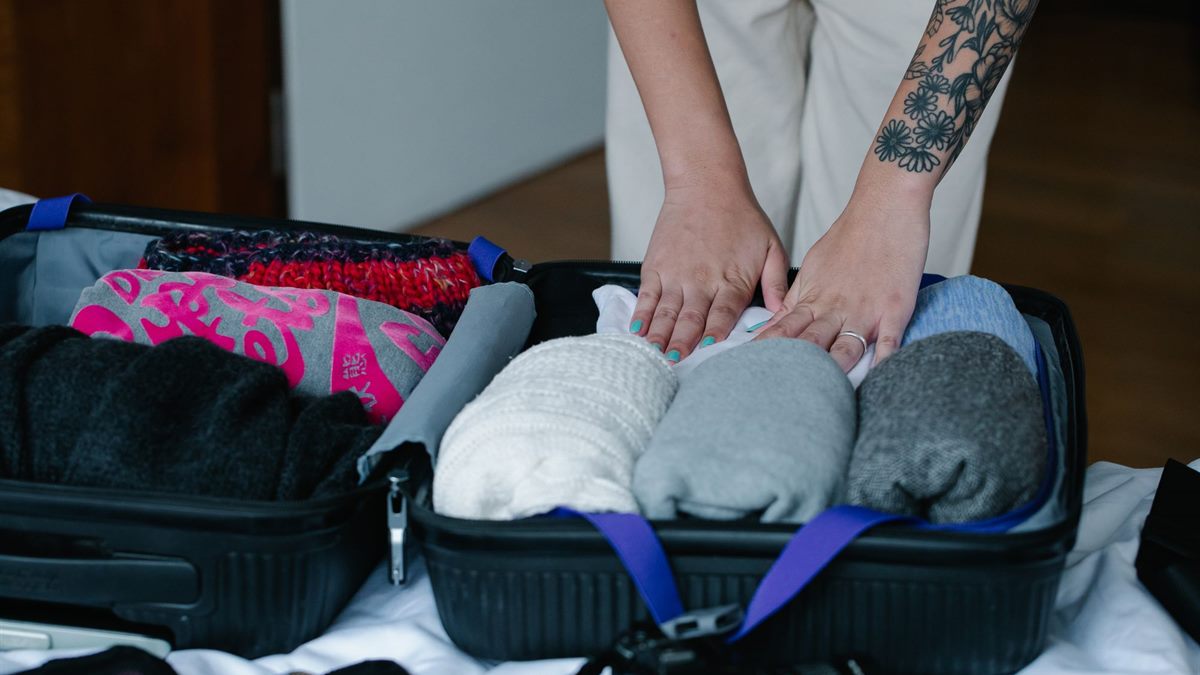
Use one packing cube for clothes, one small pouch for cables and chargers, and one clear bag for liquids. Keep the liquids bag at the top, because that is the bag you will pull out at security. Roll soft items and fold structured ones; the goal is to see everything at once, not to achieve a perfect rectangle.
Wear the heaviest items on travel days: jacket, walking shoes, and any bulky layer. This is not a trick to beat the weight limit; it is simply the most comfortable way to move through an airport with less in the bag.
Before you fly, check the current rules for what can go in hand luggage. The US Transportation Security Administration maintains a searchable list at TSA what can I bring. For the bag itself, our guide to travel gear that earns its space covers what is worth carrying and what to leave at home.
Do a test pack and a test walk
Pack a week before you leave, then close the bag and carry it around the block. If it is heavy after ten minutes, it will be miserable after ten hours. Remove the least useful item, repack, and repeat until the bag is comfortable. The item you remove is almost always a second pair of shoes or a "nice to have" layer.
Frequently Asked Questions
How many clothes do I need for a week in a carry-on?
Four or five tops, two bottoms, one warm layer, one rain shell, sleepwear, and one pair of walking shoes is enough for a week. For longer trips, keep the same set and plan to wash every four or five days.
Can I bring liquids in a carry-on?
Yes, within the limits set by the airport and airline, usually containers of 100 ml or less in a single clear bag. Rules differ by country, so check the official guidance for every airport on your route before you fly.
Is a backpack or a wheeled bag better for carry-on?
A wheeled bag is easier on smooth floors and in airports; a backpack is easier on stairs, cobblestones, and trains. Choose based on the ground you will cover, not on the airport alone.
How do I pack for two climates in one carry-on?
Use layers instead of separate wardrobes. A base layer, a warm mid layer, and a rain shell cover most combinations. Wear the bulky layer on travel days and keep the rest in one colour family so everything mixes.