Hotel Booking Mistakes That Cost You
Most hotel problems are decided at checkout, not at check-in. Six checks that take ten minutes and save a night.
Hotel bookings fail in predictable ways. The room is not the one in the photo, the "free cancellation" ends at a time you did not notice, or the total at the desk is larger than the total on the screen. All of these are visible before you pay, if you know where to look.

Read the total, not the nightly rate
The nightly rate is a marketing number. The total includes city tax, service charge, resort fee, and sometimes a fee for paying by card. Open the full price breakdown before you compare anything. Two hotels that look ten apart per night can be identical once the extras are added.
Check what is included in the room as well: breakfast, airport shuttle, parking, and wifi are the four that change the value most. A cheap room with paid wifi, paid breakfast, and paid parking is often the most expensive option on the page.
Match the room type to what you booked
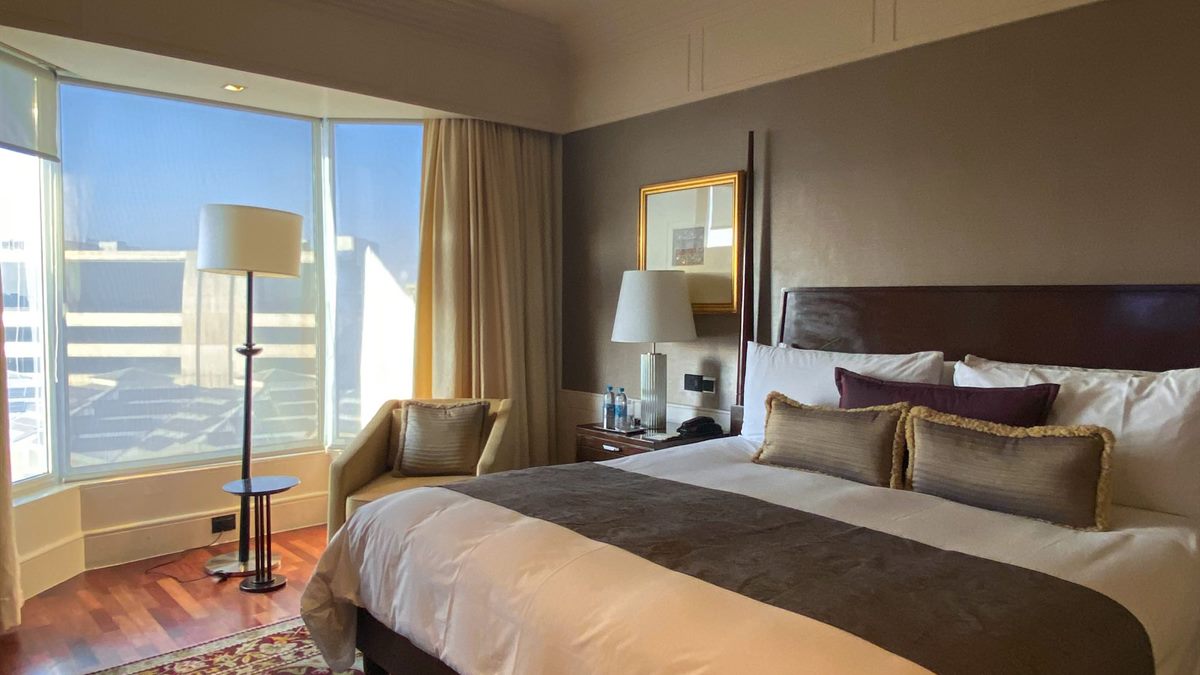
Room names are not standard. "Double" can mean one double bed or two singles. "City view" can mean a window facing a wall with a city somewhere behind it. "Deluxe" has no fixed meaning at all. Before you book, find the room description and check the bed configuration, the size, and whether the bathroom is private.
- Bed: one large bed or two separate beds, confirmed in writing.
- Bathroom: private, not shared, unless you chose otherwise.
- Window: exterior, and whether it opens.
- Access: lift or stairs, and how many floors.
If you need an accessible room, contact the property directly and get a written confirmation. A filter on a booking site is a request, not a guarantee.
Put the cancellation deadline in your own calendar
Free cancellation almost always has a cutoff, and the cutoff is usually in the hotel's local time zone. Note the date, the hour, and the time zone in one place. Then set a reminder two days before, not on the day.
Read what happens after the cutoff as well. Some bookings charge the first night; others charge the whole stay. A non-refundable rate can still be worth it, but only when the dates are certain and you have accepted the risk.
Verify the property and the payment route
Before paying, confirm that the property exists at the address shown. Search the name and street, check recent reviews that mention the building, and look at the street view. If the listing is new and the photos look generic, look for the same photos elsewhere; stolen images are a common sign of a fake listing.
Pay through the platform you booked on. A host or agent who asks for a bank transfer, a gift card, or a payment link outside the platform is a warning sign, not a shortcut. The US Federal Trade Commission describes the pattern in its advice on avoiding scams when you travel. If the area itself is still undecided, start with how to choose where to stay on a trip.
Arrive with a paper trail
Save the confirmation email, the room type, and the total as a screenshot or a PDF. If the room at the desk is not the room you booked, the confirmation is what settles the conversation. Ask for the correction at check-in, while you still have alternatives, rather than at midnight after a long flight.
Frequently Asked Questions
Is free cancellation really free?
Only until the stated deadline, which is usually in the hotel local time. After that, the first night or the full stay may be charged. Note the date and hour in your own calendar and set a reminder before it passes.
What should I do if the hotel room is not what I booked?
Show the confirmation at the desk and ask for the room type you paid for before accepting the key. If the property cannot fix it, ask for a written note and contact the booking platform while you are still at the desk.
How can I tell if a hotel listing is fake?
Check the exact address on a map, search for the same photos on other sites, read recent reviews, and pay only through the platform. Requests to pay by bank transfer or move the conversation off the site are strong warning signs.
Are non-refundable hotel rates worth it?
They can be, when the dates are fixed and the saving is meaningful. If there is any chance the trip moves, the difference is usually smaller than the cost of losing a night or the whole booking.