How to Avoid Tourist Traps Without Missing Out
The opposite of a tourist trap is not a secret spot. It is the same place at a better hour, with the price agreed before you sit down.
A tourist trap is not a place; it is a combination of timing, price, and pressure. The same square can be unbearable at noon and lovely at seven in the morning. The same restaurant can be a rip-off on the main road and good value one street behind it. Avoiding the trap is mostly about changing one variable.

Change the hour before you change the place
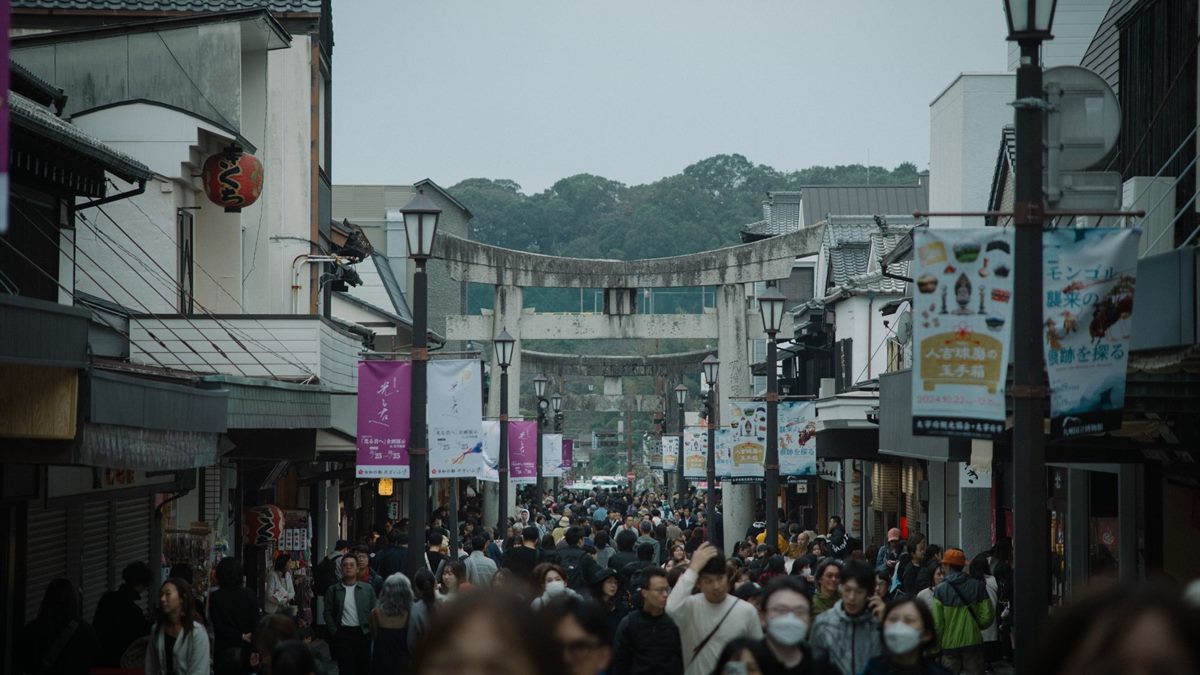
Famous sights are usually crowded in a predictable pattern: late morning to late afternoon, with a peak around lunch. Arrive at opening, or go in the last hour before closing, and the same place is quieter and easier to photograph. Many museums and churches are calmest on weekday mornings and busiest on weekends.
Check the official opening hours first, because early access sometimes requires a timed ticket. If the site is small and popular, book the first slot of the day and go straight there; the first hour is worth more than any list of alternatives.
Walk one block off the main street
Prices fall quickly as you move away from the entrance. Restaurants facing a major sight pay high rent and charge for it. The street behind usually has the same food at a lower price and fewer people waving menus. The rule is simple: if someone is standing outside trying to pull you in, keep walking.
- Menus: prices should be written down, in the local currency, before you sit.
- Photos: a picture menu is not a warning by itself, but a picture menu with no prices is.
- Cover charge: ask about bread, water, and service charges before ordering.
- Taxis: agree the meter or the fare before the doors close.
Know the price of the ordinary version
Most overcharging works because visitors do not know the normal price. Check what a coffee, a bottle of water, a short taxi ride, and a museum ticket cost in the city before you arrive. Then a price that is double stands out immediately. This is not about bargaining for everything; it is about noticing when the number is not for locals.
Buy tickets from the official counter or the official website. Touts selling "skip the line" tickets outside a sight are usually selling a normal ticket at a markup, or nothing at all. If a queue is the problem, look for a timed entry sold by the site itself.
Recognise the pressure patterns
Traps rely on urgency: the last ticket, the closing restaurant, the friend who just happens to be going your way. Slow the interaction down. Step away from the door, check the price on your phone, and decide in your own time. A real service can wait thirty seconds; a scam cannot.
Government travel advice is a useful check on local risks and common schemes. The US Department of State publishes country information and advisories at travel.state.gov international travel. Read the entry for your destination before you go, and keep the local emergency number saved. If the day already went wrong, the habits in staying safe in a new city will help you reset.
Keep one unplanned afternoon
The best defence against a bad tourist day is having nothing scheduled for part of it. With a free afternoon you can leave a crowded sight, follow a quieter street, or return to a place you liked in the morning. A packed itinerary forces you to stay in the trap because the next stop is already paid for.
Frequently Asked Questions
What time are tourist attractions least crowded?
Usually the first hour after opening and the last hour before closing. Weekday mornings are quieter than weekends. Check official hours and whether early entry needs a timed ticket, then go straight to the busiest sight first.
How do I know if a restaurant is overpriced?
Compare the price of a coffee, water, and a simple dish with the normal local price. Written prices in local currency, a short menu, and local customers are good signs. A menu with no prices is a reason to leave.
Are skip-the-line tickets worth it?
Only when sold by the official site or a verified operator. They can save an hour at a popular museum. Tickets from touts on the street are often a normal ticket at a markup, or not valid at all.
Should I avoid famous sights entirely?
No. Many are famous because they are worth seeing. Change the hour, book the first slot, and leave when the crowd arrives. The aim is to keep the sight and lose the queue, not to skip the reason you came.